KitnaAIJoin the beta
Private beta · invite only

Finally, a calorie tracker that knows what nihari is.

Other apps see your plate of biryani and guess "rice, 200 calories." Kitna AI sees the qorma, the bone marrow, the saffron rice, and the roti — and counts them the way your kitchen actually counts.
3,000+Desi & Middle Eastern dishes
1 rotiPortions you actually use
Sehri / IftarBuilt for Ramadan
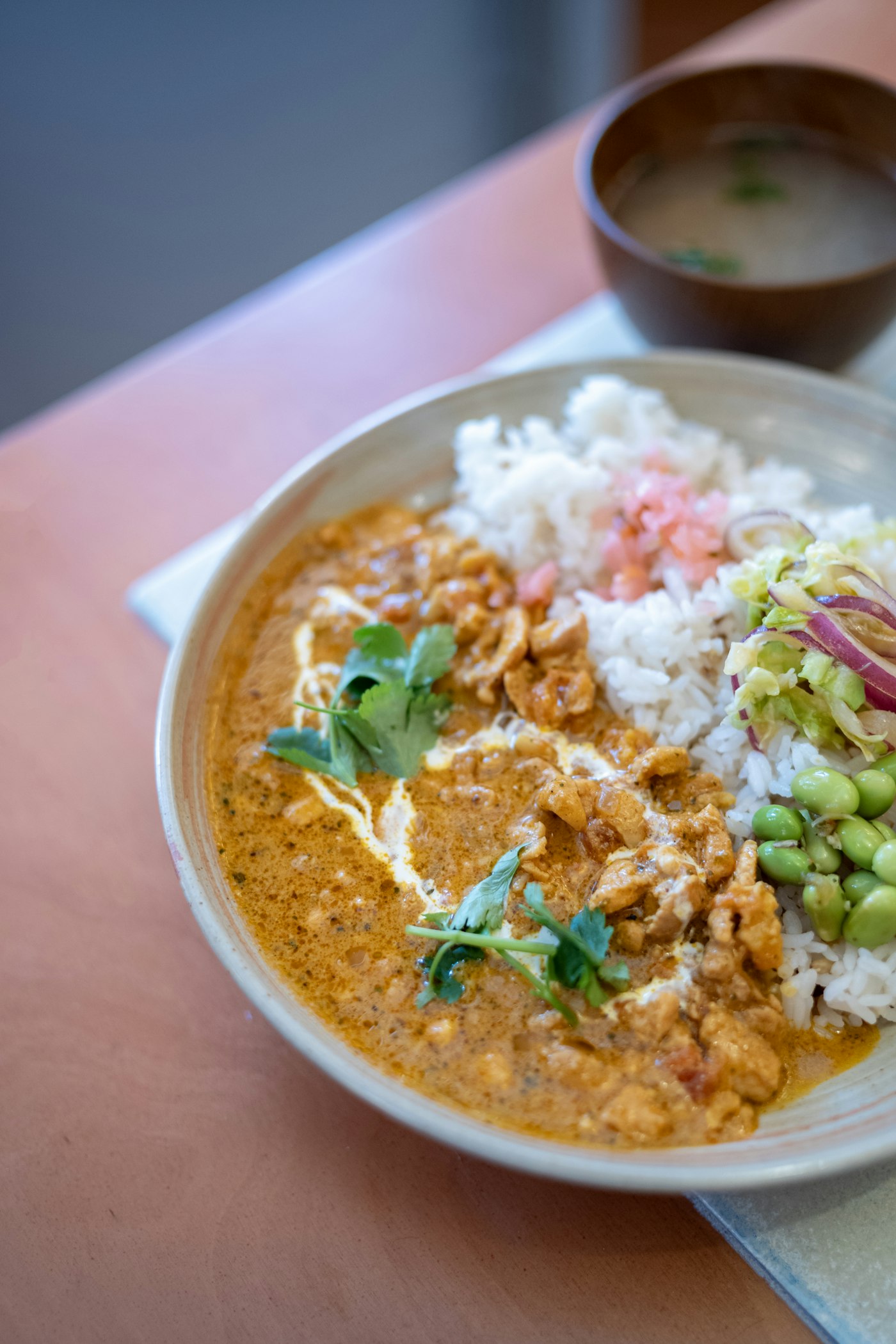
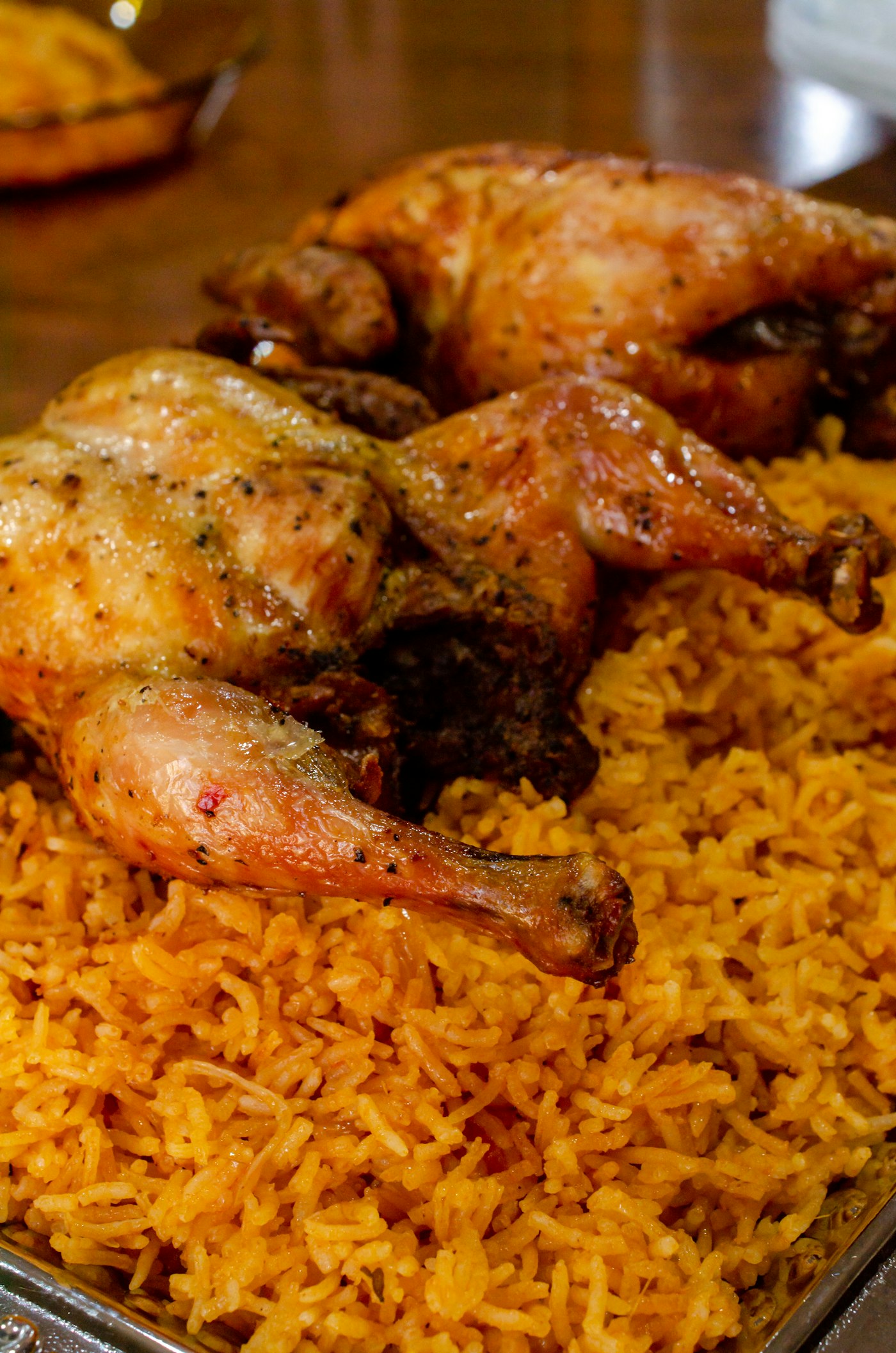
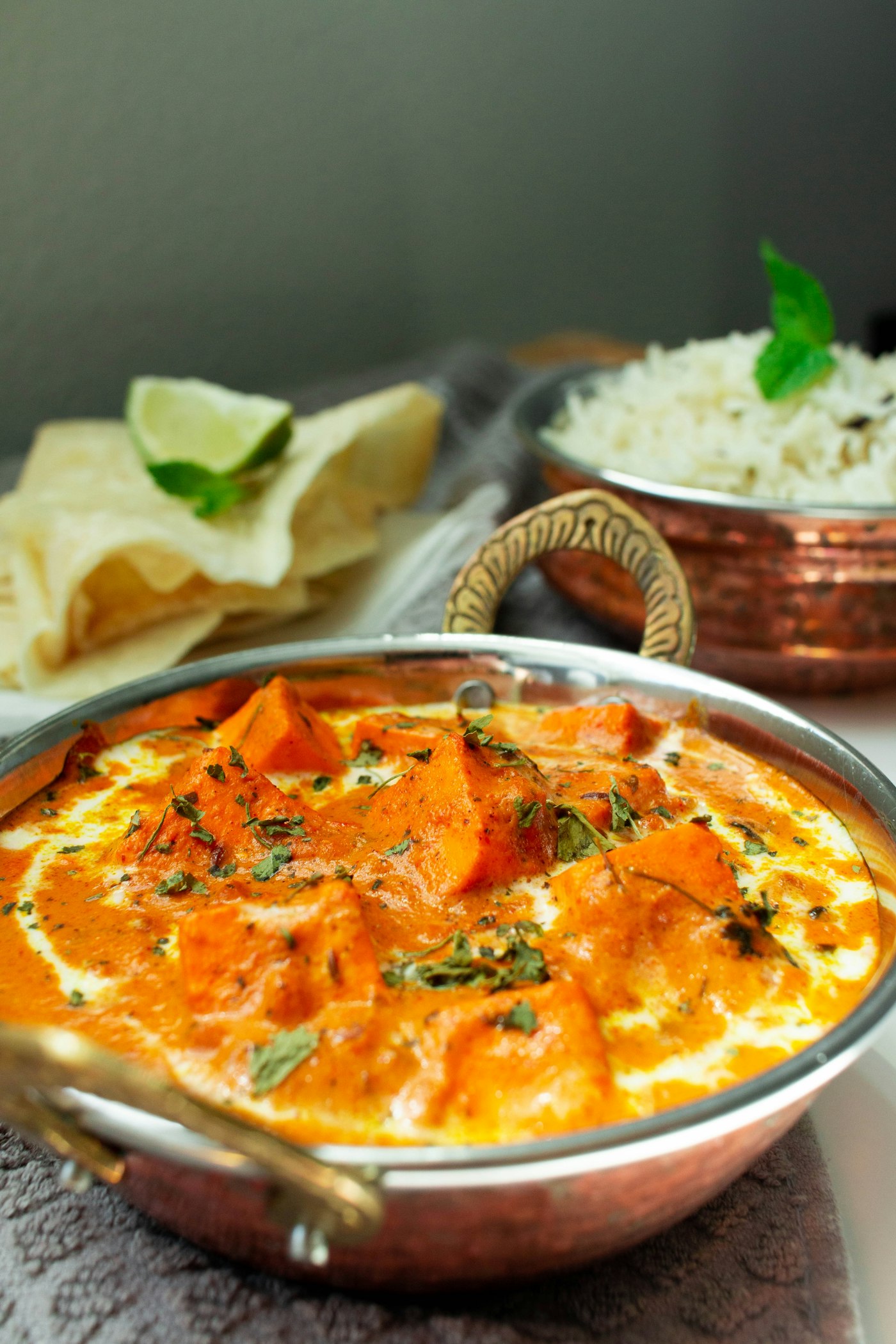
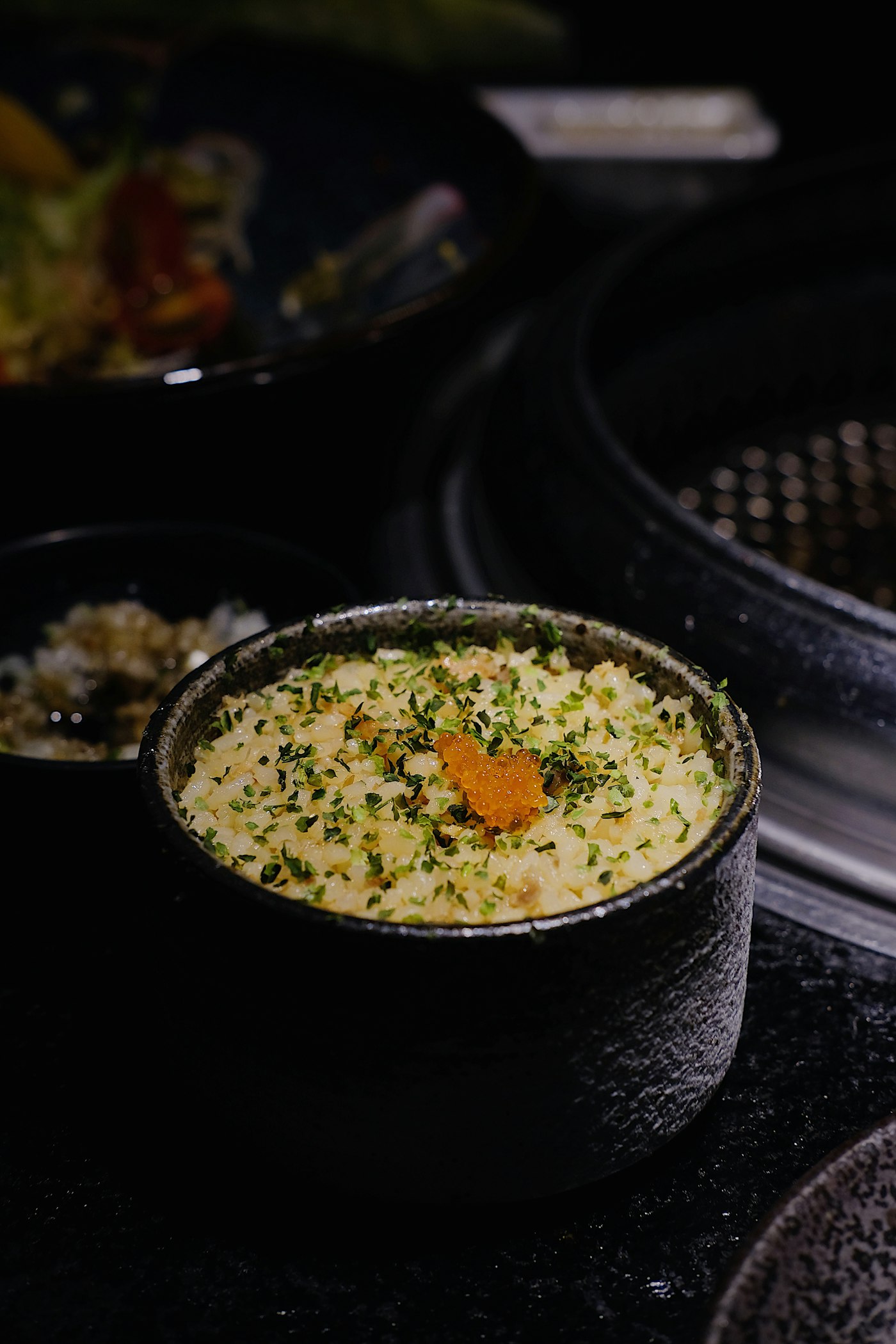
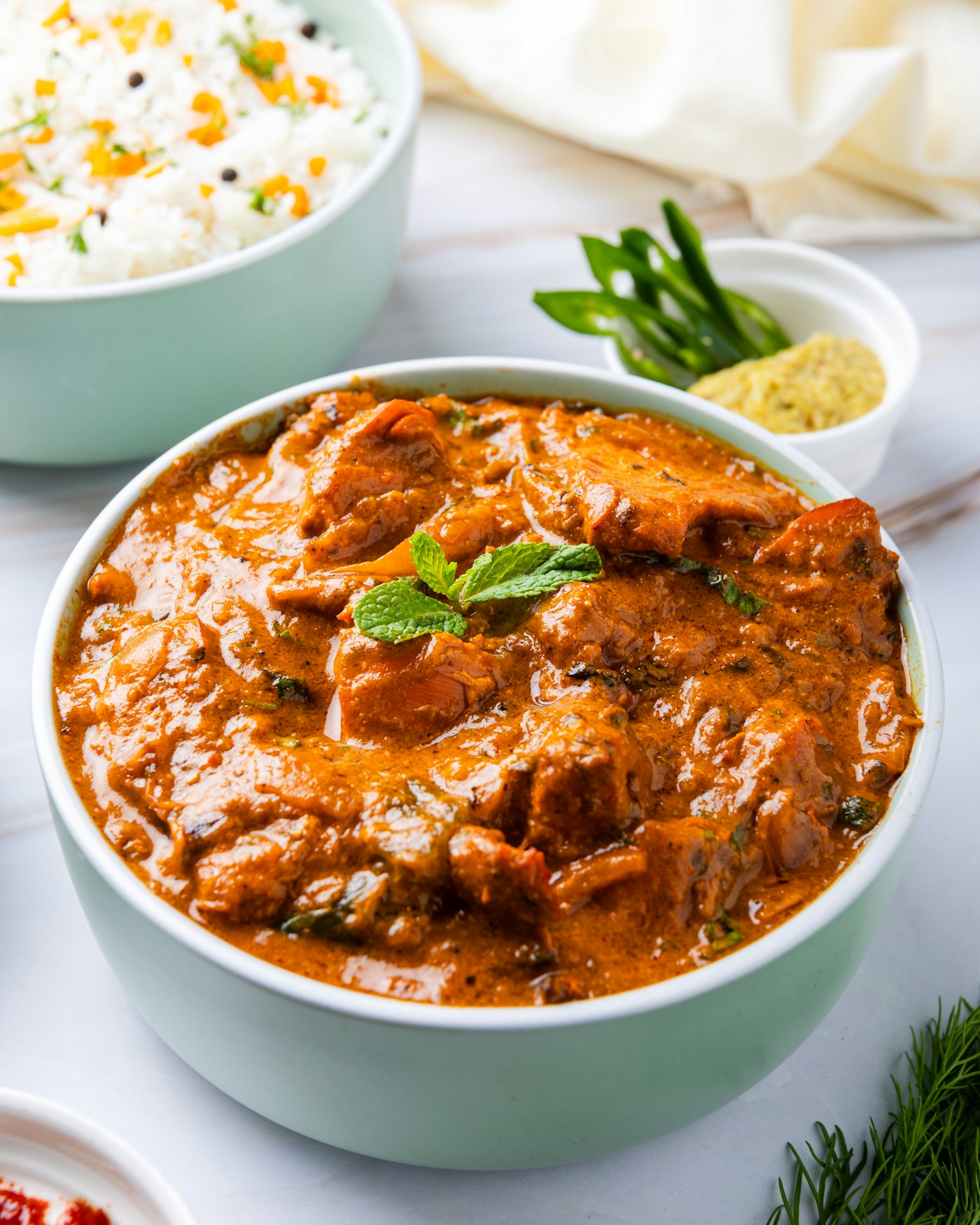
A plate of Pakistani beef biryaniA bowl of beef nihari with naanA serving of chicken karahi with rotiA plate of Arabic chicken mandi rice
Beef biryani plate
Karachi · weekend lunch
932kcal
  • Beef biryani rice1 plate612
  • Beef pieces4 chunks184
  • Boiled egg1 piece78
  • Raita2 tbsp58
The problem

Every calorie tracker was built for a Caesar salad.

Western food shows up on a plate already separated — protein here, salad there, dressing on the side. Mixed dishes break that assumption. Most AI trackers don't even try, they just guess at the closest thing in their database.

What other apps see

"Rice with curry, 320 cal"

×Trained almost entirely on Western food databases
×Can't separate the dal from the chawal from the roti
×"1 cup" / "1 oz" — nobody cooks like that
×No idea what's halal, no idea it's Ramadan
×Priced for San Francisco, not Karachi
What Kitna AI sees

Beef nihari · basmati · tawa roti · aloo gobi

Vision model tuned on thousands of South Asian & Gulf dishes
Decomposes mixed plates into individual items, then portions each
Counts in rotis, katoris, plates — the units your kitchen uses
Halal-aware. Sehri & Iftar windows. Fasting timer.
Priced for the regions we built it for, not against them
How it works

Snap. Recognise. Track.

We don't want you spending five minutes logging a meal. The whole flow should take less time than your first bite.
01 / SnapA photographed plate of food
Take a photo of your plate.
One picture. From any angle. Mixed dishes, single dishes, packaged snacks, restaurant trays — all fine.
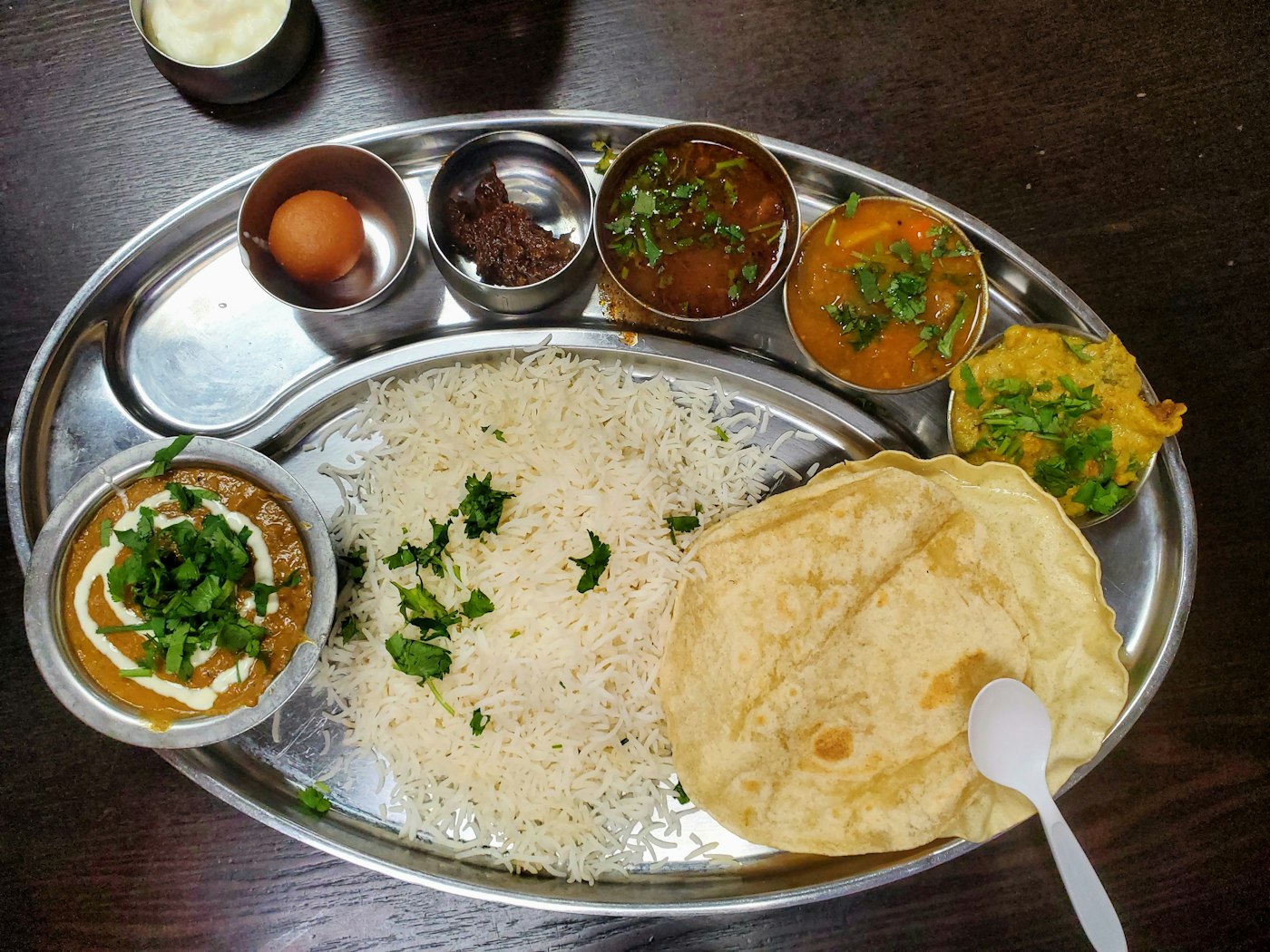
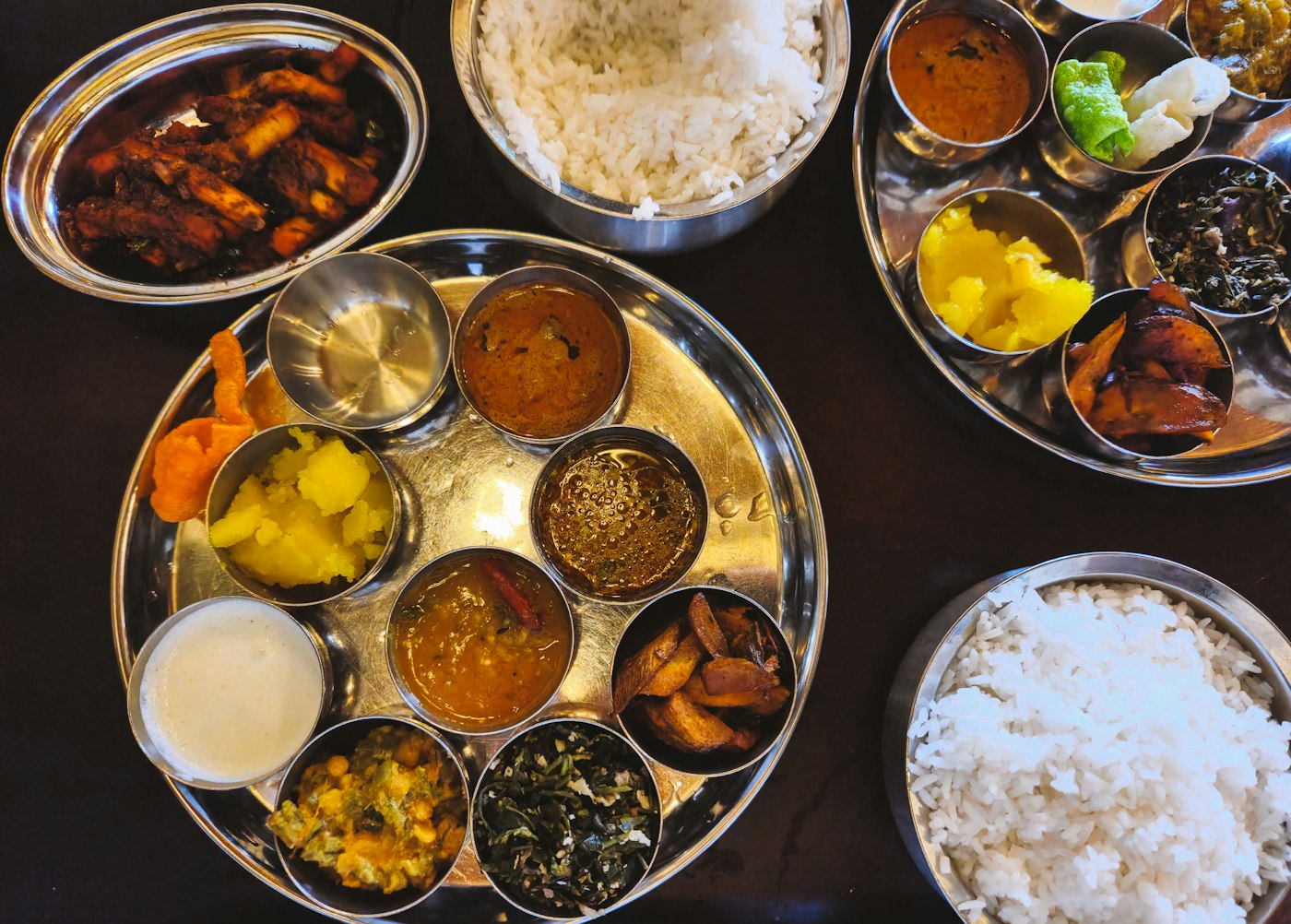
02 / RecogniseA mixed Indian thali with multiple dishes identified
Kitna AI breaks it down — by dish, by portion.
Each item is identified separately. Portions are estimated in units you actually use. You can correct anything in one tap.
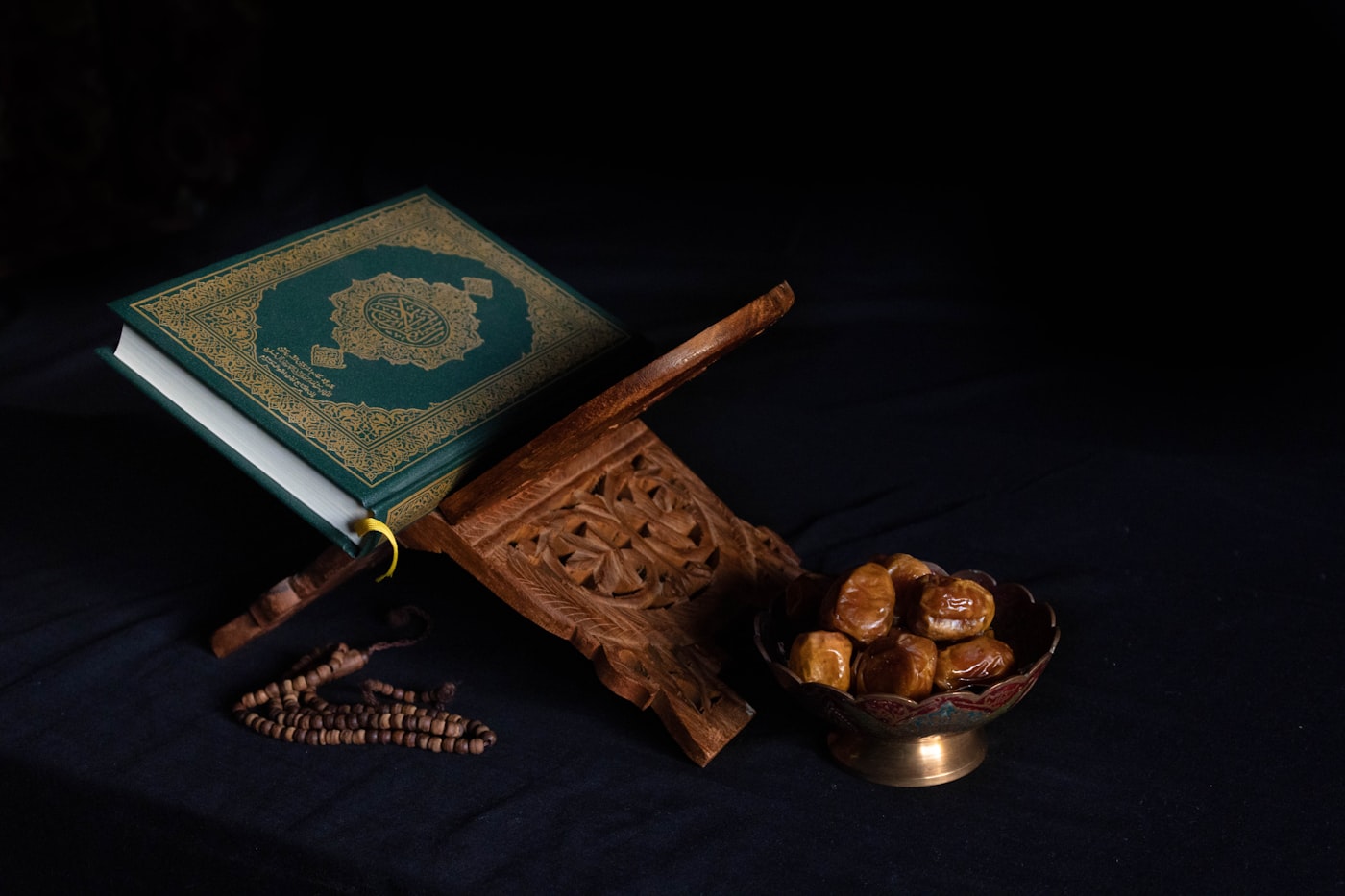
03 / TrackDates and the Quran — Ramadan iftar context
Your calories, macros, and habits — in your context.
Daily totals tuned to your goals. Sehri/Iftar windows during Ramadan. Trends that respect how people actually eat across a week.
Built for your kitchen

A tracker that understands how the table is actually set.

We're not localising a Western app. Kitna AI was designed from the beginning around the food, the language, the calendar, and the budgets of the people we built it for.
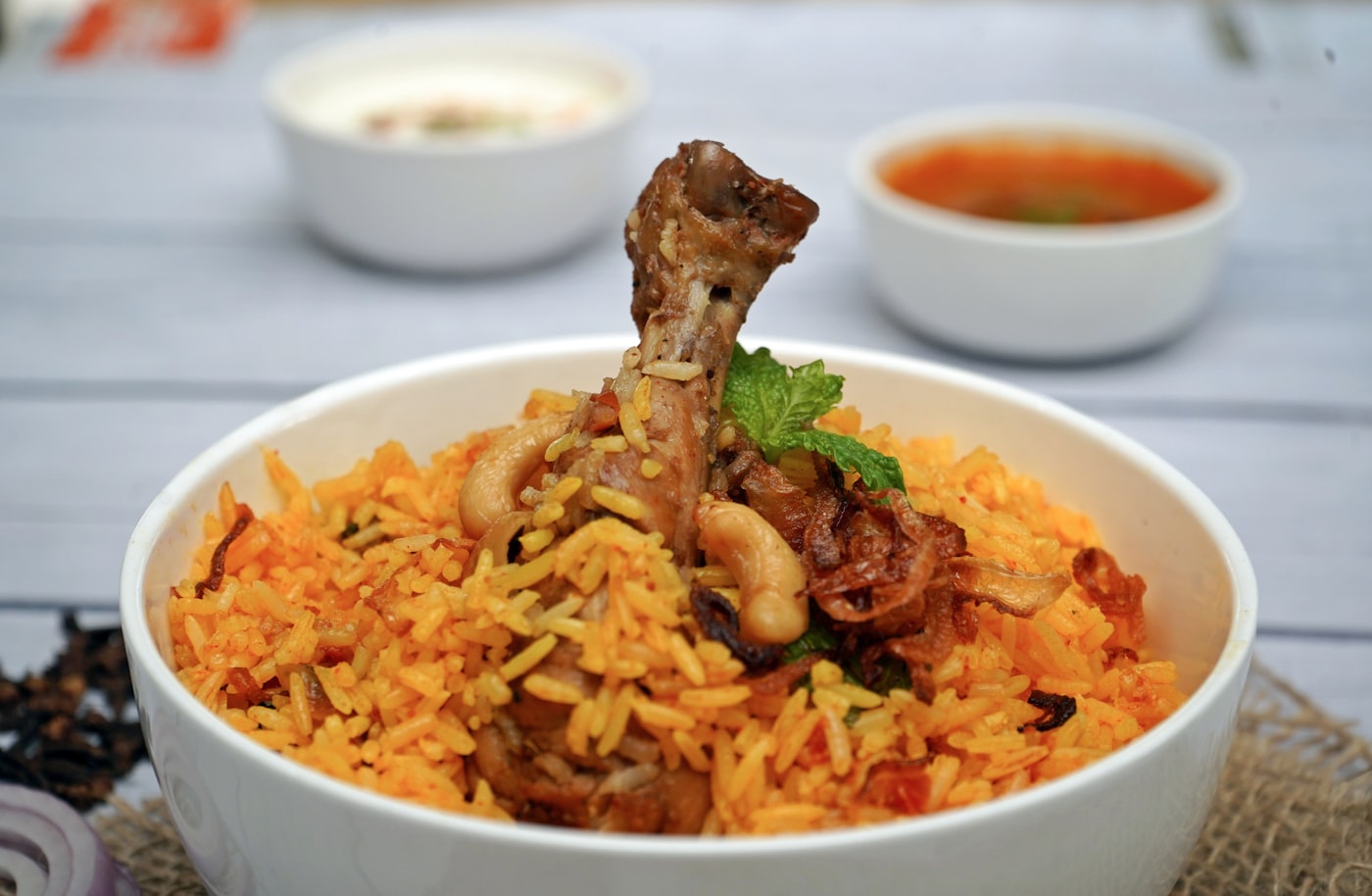
Biryani · 4 components found
Mixed-dish recognition
Biryani, thali, mandi, mezze platters — Kitna AI separates the parts before counting the whole.
A katori of food next to rice — typical desi serving sizes
Counts in roti & katori
Forget grams unless you want them. Log in plates, pieces, katoris, and the portions you actually cook in.
Dates and the Quran — Ramadan context
Ramadan-aware
Sehri and Iftar windows. Fasting timer. Suhoor planning. Tracks the way the day actually runs.
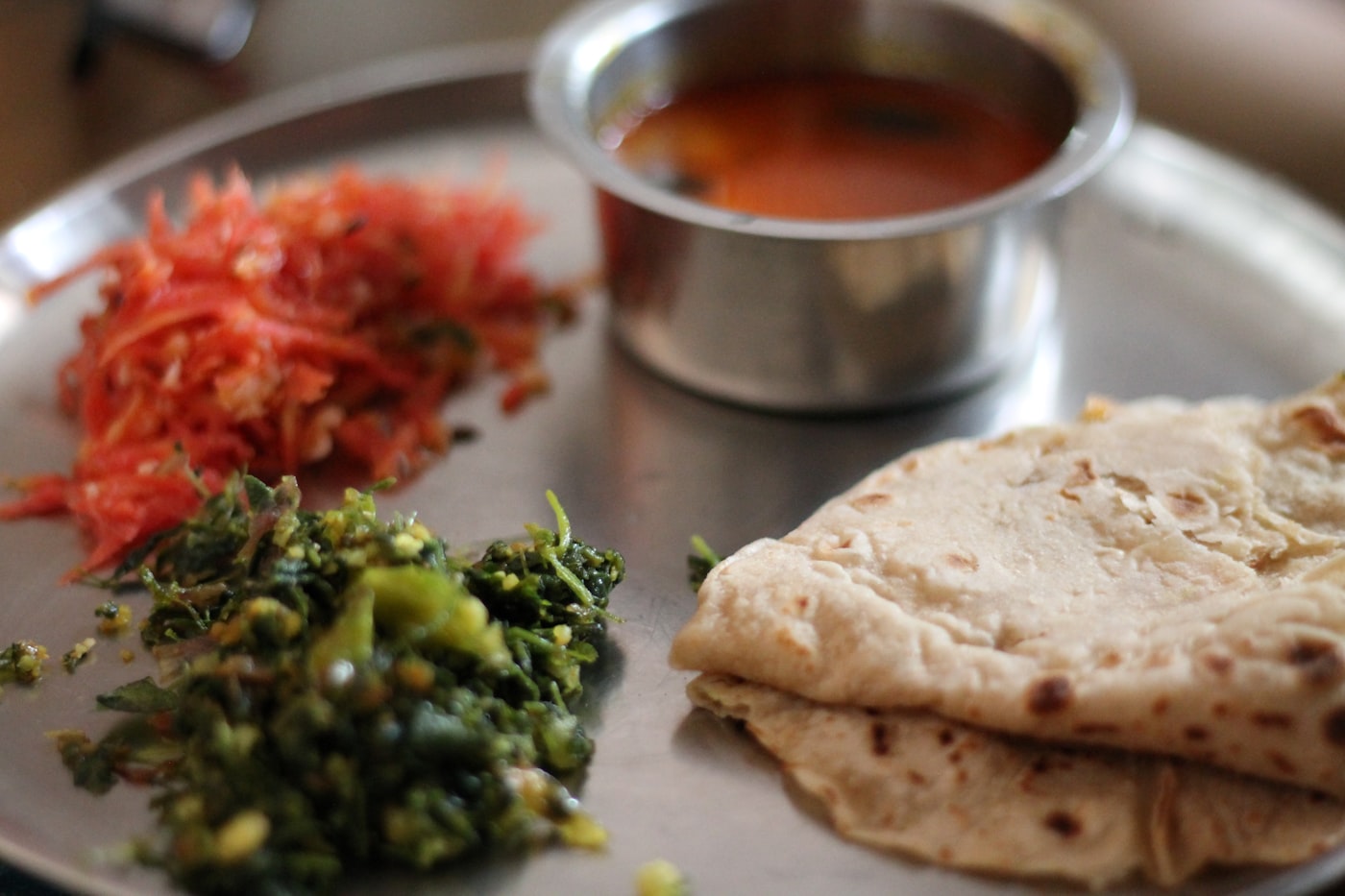
Fresh roti from the tawa
Halal at ingredient level
Flag what isn't, surface alternatives. Built in, not an afterthought tucked behind a settings tab.
Urdu, Hindi, Arabic
Full RTL support. Native script throughout — not a half-translated bolt-on.
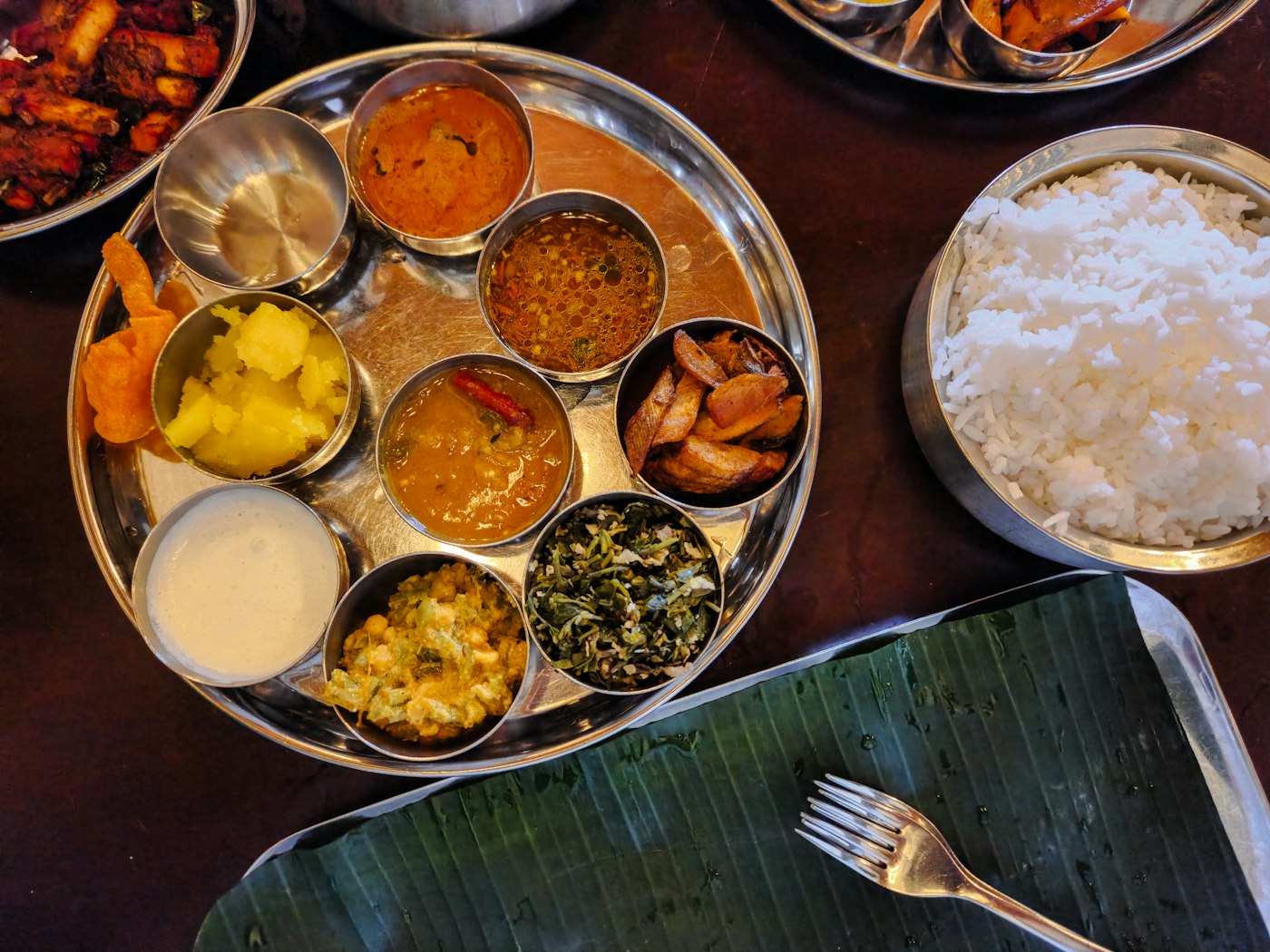
An Indian thali with mixed dishes
Priced for the region
Tiered for South Asian affordability with a separate tier for Gulf markets. Real free tier, no nag.
Currently in private beta

We're testing with a small group across Pakistan, India, and the Gulf.

Kitna AI isn't on the App Store yet. We're refining recognition accuracy on regional dishes one cuisine at a time. If you'd find this useful — or you've been frustrated by what's out there — leave your email and we'll bring you in as we expand the beta.

Tell us a bit about how you eat and what currently doesn't work. The weirder the dish, the more we want to hear about it.

We'll only email you when we have something real to share. No newsletter, no spam.
Want to help shape it?

Nutritionist, dietitian, restaurateur, gym, or running a community where this could land? Book 30 minutes with the founder →

Frequently asked

A few things people ask first.

When can I download Kitna AI?
We're in closed beta with a few hundred users across Pakistan, India, and the UAE. We're expanding access in waves as we improve recognition accuracy per region. Join the waitlist above and we'll bring you in.
How is this different from MyFitnessPal or Cal AI?
MyFitnessPal has a huge database but very weak coverage of South Asian and Gulf food, and its photo recognition is a paid bolt-on. Cal AI was iOS-only, focused on Western foods, and has since been acquired. Kitna AI is purpose-built around mixed regional dishes, native units, halal context, Ramadan, and bilingual UI from day one — not as add-ons.
What does "we recognise mixed dishes" actually mean?
When you photograph a thali or a biryani plate, our model decomposes the image into individual dishes (the salan, the rice, the roti, the raita) and estimates each portion separately, instead of guessing one calorie number for the whole plate. You can also tap to correct anything we get wrong, and that signal helps us improve.
Will it work for non-South-Asian food too?
Yes — Western foods are the easy case for vision models. Where Kitna AI is differentiated is the harder case: home-cooked, mixed, and regional dishes. If you eat across cuisines, you'll be covered.
How much will it cost?
Pricing isn't final, but our intent is a real free tier with daily logging plus paid tiers around PKR 200–400/month for South Asian markets and a separate Gulf tier. We're explicitly avoiding the $9.99/month default that prices most users out.
Who's building this?
Kitna AI is being built by DashGen Solutions, a small team out of Pakistan. We're building it because nobody else is, and because the people we want to serve deserve a tracker that doesn't treat their food as an exception.